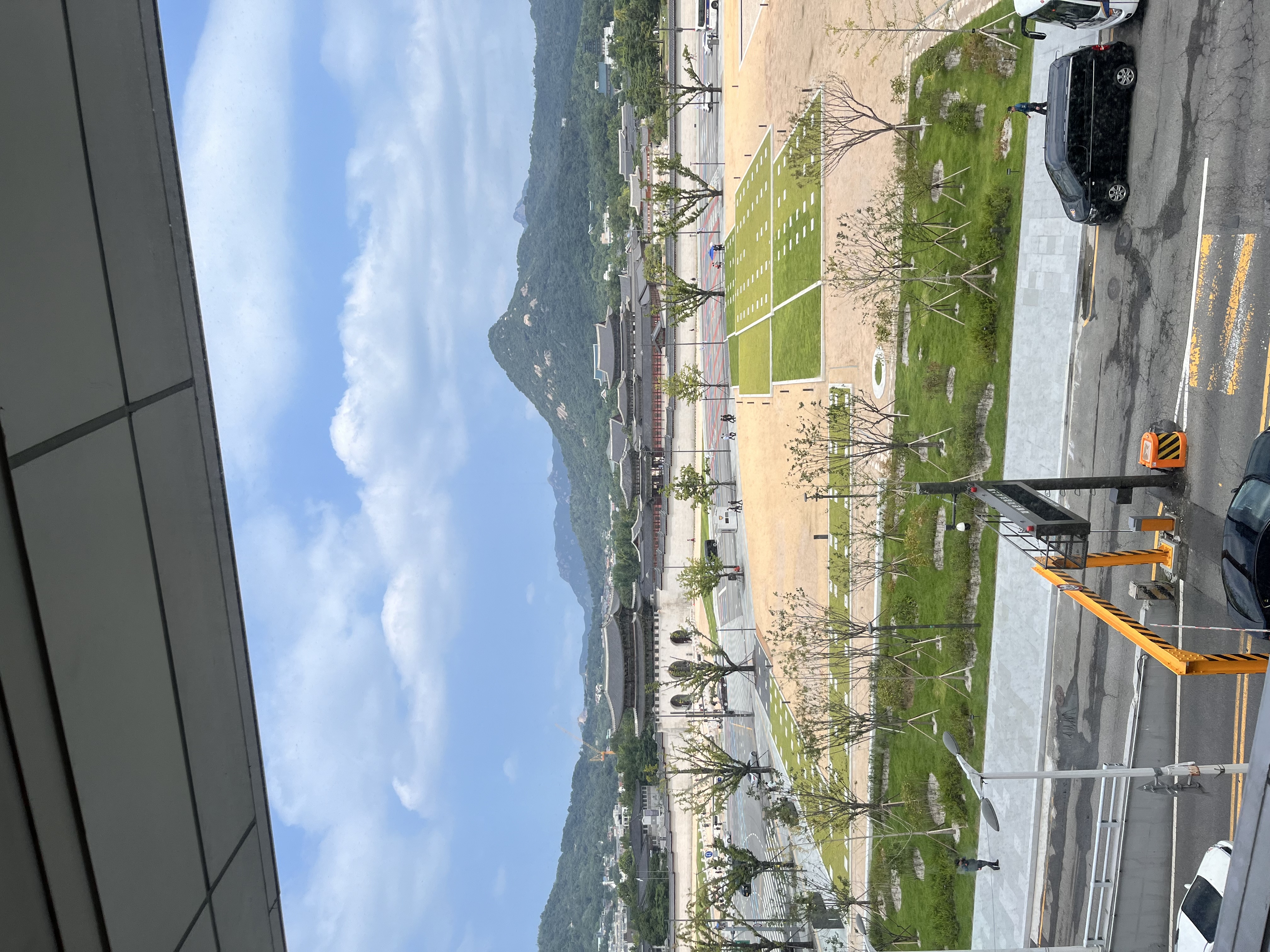
If you’re opening a map of Seoul for the first time, it might feel a little strange that such a neighborhood remains in the city center. Quietly nestled between Gyeongbokgung and Changdeokgung, two grand palaces of the Joseon Dynasty, is Bukchon Hanok Village. To the left is Gyeongbokgung, the foremost palace, while to the right is Changdeokgung, where the king spent his daily life. Bukchon has been this neighborhood bridging these two palaces for centuries, carrying with it long tales.
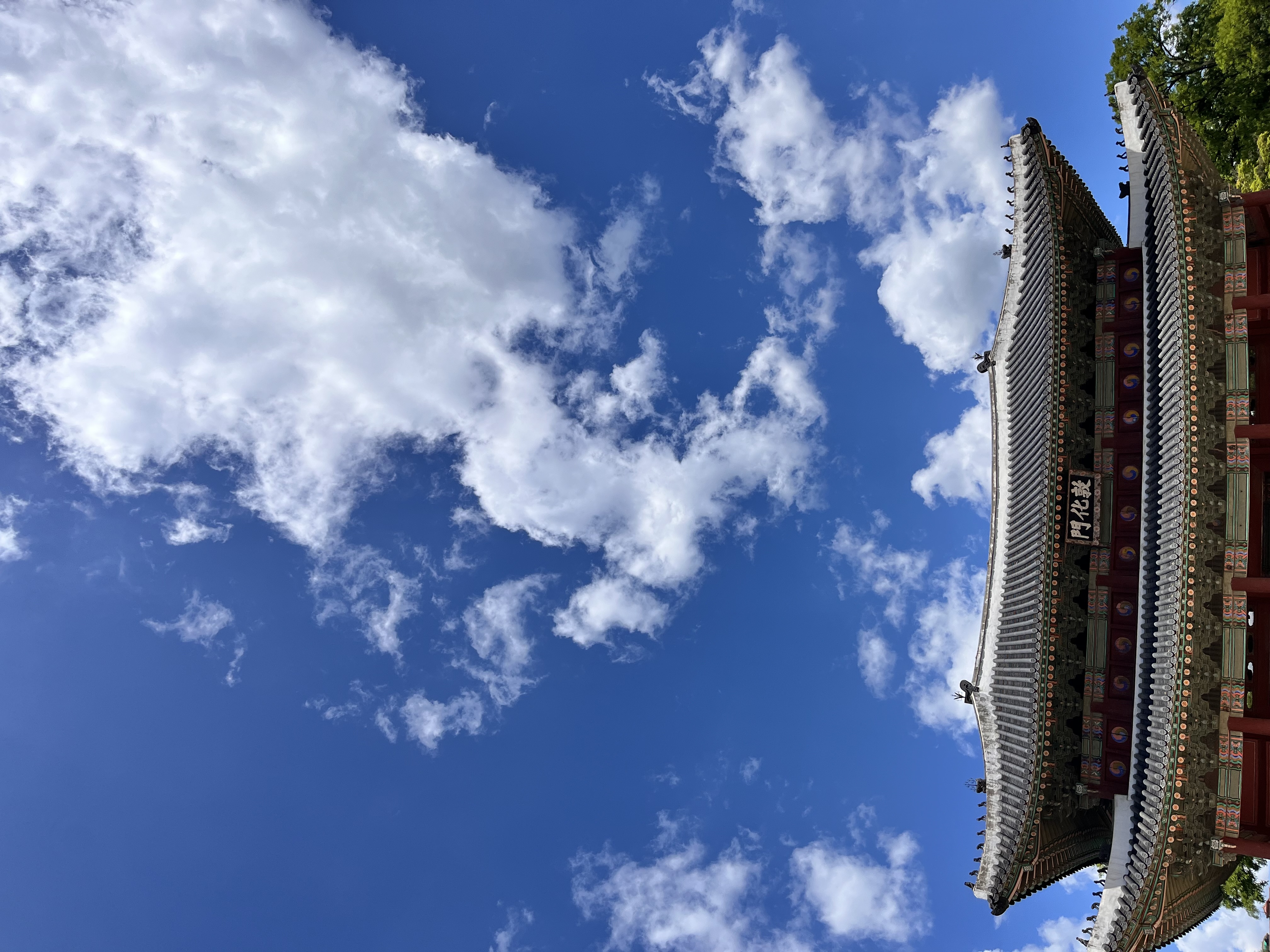
The name Bukchon originates from its location, the 'northern village' of Cheonggyecheon and Jongno. During the Joseon era, it was home to high-ranking officials close to the royal court, and traces of that history still linger in every corner of its alleys. Just beyond a wall, it feels as if you could almost touch the essence of the palaces. In fact, the eastern wall of Gyeongbokgung is only minutes away on foot from the western edge of Bukchon. The residents here might have started each day gazing at the palace rooftops.
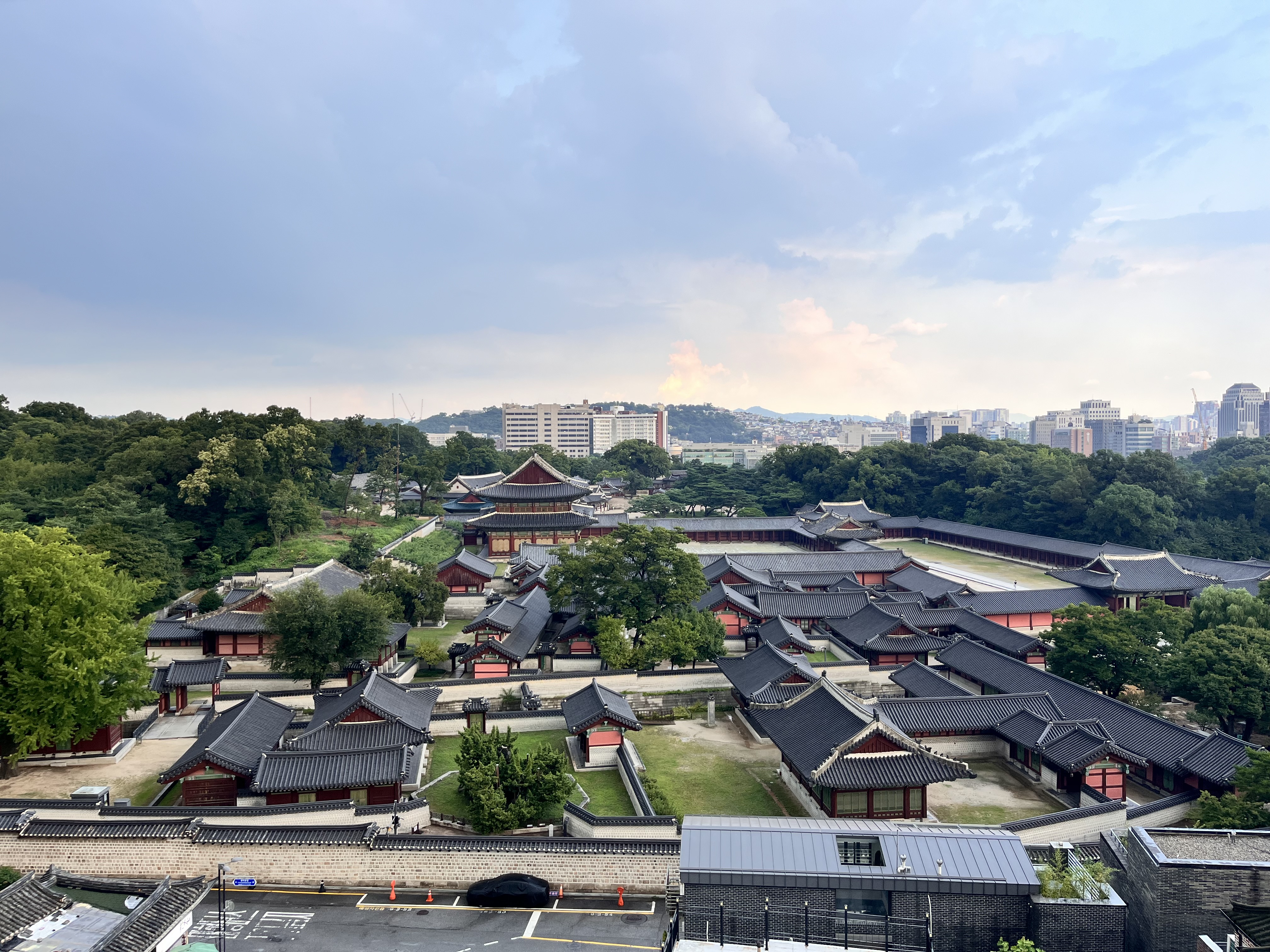
Being situated between two palaces isn’t merely a geographical fact. Bukchon has long maintained a curious position—close to the center of power yet not part of it. Inside the palace walls was the king’s domain, but just outside, life flowed along these alleys. Children played, scholars read, and laundry fluttered over walls. The fact that these alleys still exist almost as they were can sometimes feel surreal.
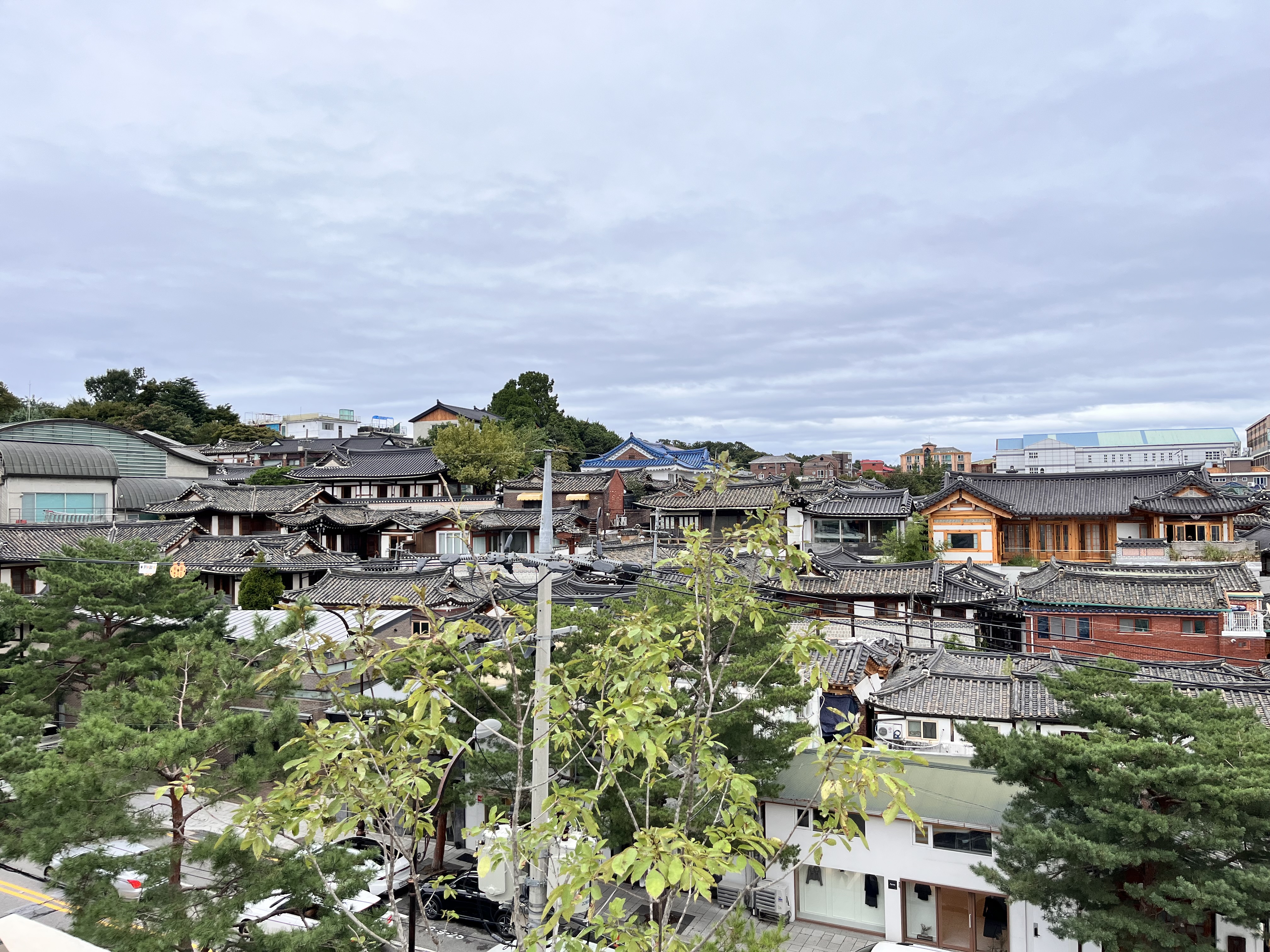
Bukchon is still a living village where people reside. The eaves of hanoks and their tiled roofs remain, and the everyday lives of its residents quietly continue within. In the morning, you might hear doors opening and closing from somewhere in the alley, and by day, laundry might hang over walls. Known as a tourist spot, these alleys are still the front of someone’s home and the start of someone’s day. That people live in preserved hanoks means this neighborhood is not just a preserved space but a living community. Walking through the alleys, you can quietly sense this reality. Sunlight rests on the tiles, while small signs of life seep from within the walls.
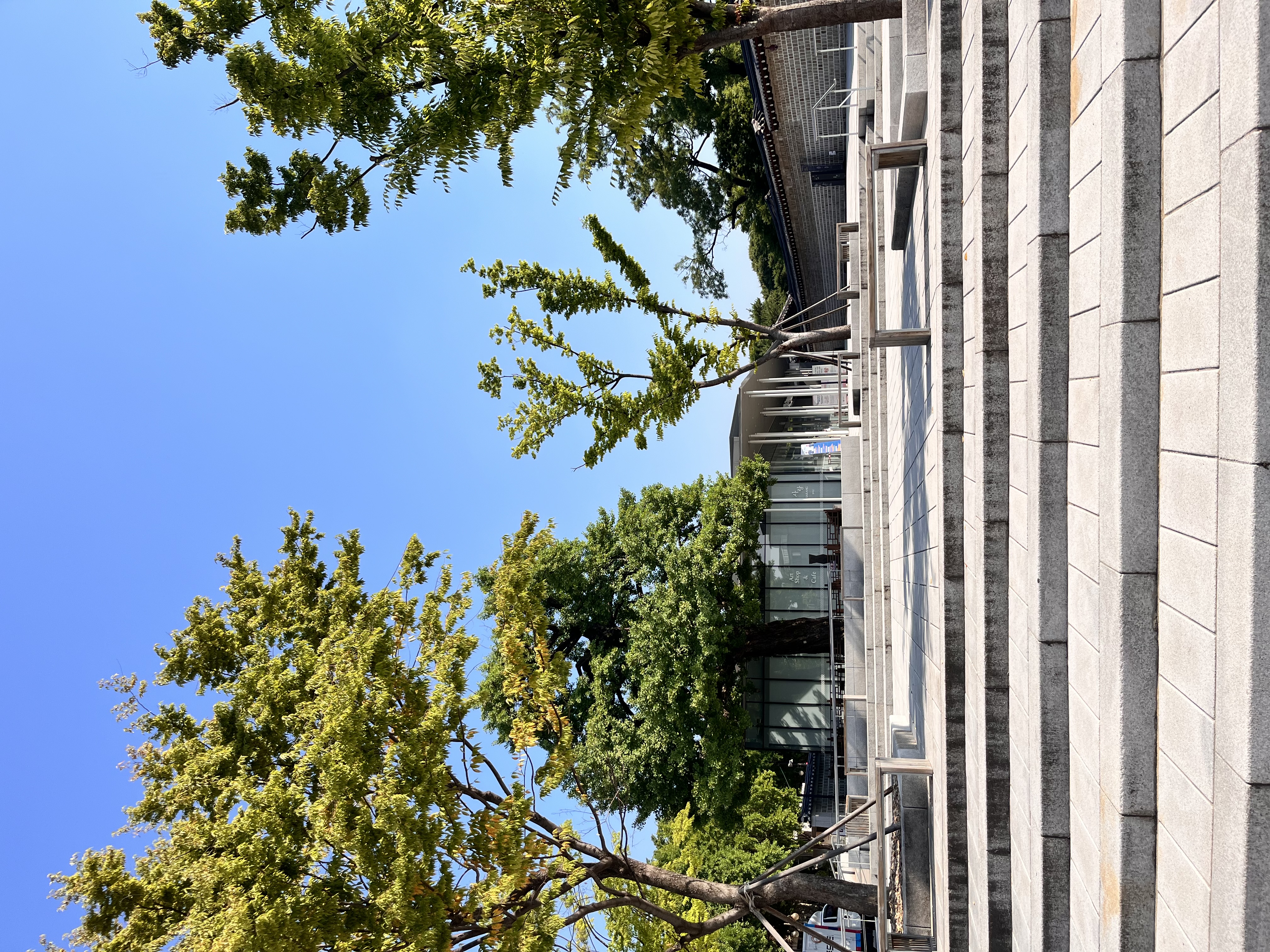
People living in Bukchon often express this sentiment. Living in the heart of Seoul, especially between two palaces, brings a small sense of pride. It’s not just about being close to the city center. Living at a distance where you can see Gyeongbokgung’s walls at the alley’s end and the roofline over the trees of Changdeokgung defines this neighborhood apart from others.
This atmosphere naturally permeates the cafes and bistros within the alleys. While having a cup of coffee under the eaves of an old hanok, the palace roofs come into view beyond the walls. This is one reason tourists visit Bukchon. Not merely for the food or spaces, but for the layers of time one can feel in that place—a quiet tension created by the proximity of the ancient palaces.
Gallery